Introduction
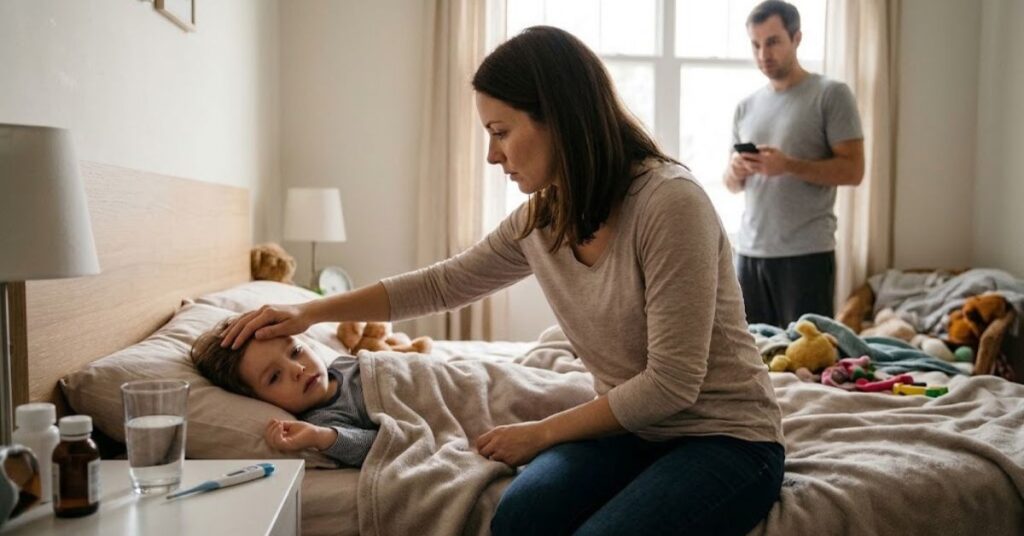
“When is a fever too high for a child?” is one of the most urgent questions parents ask when their little one is sick. The fear that a high temperature could cause brain damage, seizures or other serious harm drives many parents to the emergency room — often unnecessarily. Understanding what the numbers actually mean, how fever thresholds change by age and which symptoms matter more than the temperature itself helps parents make informed, confident decisions.
The critical insight that most parents find reassuring is this: the height of the fever alone does not determine the severity of the illness. A child with a 104-degree fever from a common virus may be less seriously ill than a child with a 101-degree fever from a bacterial infection. How your child looks and acts — their overall clinical appearance — is far more important than the number on the thermometer.
That said, there are specific temperature thresholds by age that do warrant immediate medical attention. This guide provides clear, evidence-based guidelines on fever thresholds, warning signs and when to seek care — organized by age group so you can quickly find the information relevant to your child.
Need to Schedule a Pediatric Visit?
Whether your child needs a well-child checkup, vaccinations, a sick visit, or a school or sports physical, our caring team at Zalam Pediatrics Center in Chicago Ridge is here to help.
Fever Danger Zones by Age
| Child’s Age | Call Doctor | Go to ER |
| Under 3 months | Any fever ≥100.4°F | Fever with lethargy or poor feeding |
| 3-6 months | Fever ≥102°F | Fever lasting >24 hours |
| 6-24 months | Fever ≥102°F for >1 day | Fever with rash, stiff neck, seizure |
| 2-5 years | Fever ≥104°F or lasting >3 days | Difficulty breathing or dehydration |
| 5+ years | Fever >104°F or lasting >3 days | Severe headache, neck stiffness, seizure |
What Is Considered a High Fever in Children?
A fever is defined as a rectal temperature of 100.4 degrees Fahrenheit (38 degrees Celsius) or higher. Fevers are categorized by severity as follows: low-grade fever is 100.4 to 102.2 degrees Fahrenheit, moderate fever is 102.2 to 104 degrees Fahrenheit and high fever is above 104 degrees Fahrenheit.
These categories are general guidelines. The clinical significance of a specific temperature depends on the child’s age, overall health, associated symptoms and how the child is behaving. A one-month-old with a temperature of 100.4 is a medical emergency, while a two-year-old with the same temperature may be perfectly fine.
Fever Thresholds by Age
Newborns: Birth to 3 Months
Any fever of 100.4 degrees Fahrenheit or higher in a baby under three months old requires immediate medical evaluation. This is a medical emergency regardless of how the baby looks or acts.
Young infants have immature immune systems and limited ability to fight infections. A fever at this age could indicate a serious bacterial infection such as meningitis, urinary tract infection or bloodstream infection. Your pediatrician may recommend blood tests, urine tests and sometimes a spinal tap (lumbar puncture) to rule out these conditions.
Do not give fever-reducing medication to a baby under three months without first consulting your pediatrician. Take the temperature rectally for the most accurate reading and call your pediatrician or go to the emergency room immediately.
Infants: 3 to 6 Months
For babies three to six months old, call your pediatrician for any fever of 100.4 degrees or higher. While not every fever in this age range indicates a serious infection, babies this young still warrant prompt medical assessment.
If the fever is below 102 degrees and your baby is acting normally (eating well, alert, responsive), your pediatrician may be comfortable monitoring at home with specific instructions. A fever of 102 degrees or higher in this age group typically warrants an office visit or urgent evaluation.
Babies: 6 to 24 Months
For babies six months to two years, call your pediatrician for fevers of 102 degrees or higher or for any fever lasting more than one day. At this age, the immune system is more developed and fever from viral infections is common.
Monitor how your child is behaving. A six-month-old with a 103-degree fever who is still smiling, playing and drinking fluids is in a very different situation than one who is listless, refusing to eat and inconsolable. Your child’s overall appearance and behavior provide more diagnostic information than the temperature reading.
Toddlers and Older Children: 2 to 17 Years
For children two years and older, the temperature threshold for calling your pediatrician is generally 104 degrees Fahrenheit or higher or any fever lasting more than three days. At this age, fever is very common (children average six to eight febrile illnesses per year) and is usually caused by self-limiting viral infections.
Again, how your child acts matters more than the number. A child who has a 103-degree fever but is drinking fluids, somewhat active and responsive needs monitoring and comfort measures. A child who is extremely lethargic, confused, has a stiff neck or shows signs of dehydration needs prompt evaluation regardless of the temperature.
Worried about your child’s fever?
📞 Call (708) 599-8000Zalam Pediatrics Center — Day or night, we’re here for your child’s health.
Warning Signs That Require Immediate Medical Attention
Regardless of the temperature, seek immediate medical attention if your child shows any of these warning signs.
Difficulty breathing or rapid breathing, including grunting or retractions (skin pulling in between the ribs). Extreme lethargy or difficulty waking — your child is unresponsive, limp or does not make eye contact. A non-blanching rash — a purple or red rash that does not fade when you press a glass against it, which could indicate a serious infection such as meningococcal disease. A stiff neck, especially with fever and headache, which could indicate meningitis. Persistent vomiting that prevents fluid intake. Signs of dehydration — no tears, dry mouth, sunken eyes, no wet diapers for more than eight hours. Seizure, especially one lasting more than five minutes. Extreme irritability — your child cries inconsolably and cannot be comforted. A bulging fontanelle (soft spot) in infants.
These symptoms indicate potentially serious conditions that require urgent evaluation, regardless of how high or low the fever is.
Common Fever Myths
Myth: High fevers cause brain damage
Fevers caused by infection virtually never rise high enough to cause brain damage. Brain damage from temperature is associated with environmental hyperthermia (such as being trapped in a hot car) where body temperature exceeds 107 to 108 degrees Fahrenheit. The body’s thermostat generally prevents infection-related fevers from reaching these extreme levels.
Myth: You must bring the fever down to normal
The goal of treating a fever is to improve your child’s comfort, not to normalize the temperature. It is perfectly acceptable for the temperature to remain slightly elevated after treatment. Fever-reducing medication typically lowers the temperature by one to two degrees, which is usually enough to make the child feel significantly better.
Myth: A higher fever always means a more serious illness
The height of the fever does not reliably predict the severity of the underlying illness. Some common viral infections produce very high fevers (104 to 105 degrees) in otherwise healthy children, while some serious bacterial infections may cause only a low-grade fever. How your child looks and behaves is a far better indicator of severity.
Myth: Febrile seizures are caused by high fever
Febrile seizures are triggered by the rapid rise in temperature, not by how high the fever ultimately reaches. They can occur at relatively low temperatures if the temperature rises quickly. Febrile seizures are generally harmless and do not cause lasting damage, but they should be reported to your pediatrician.
How to Manage a Fever at Home
For fevers that do not meet the thresholds for immediate medical attention, home management focuses on comfort and hydration.
Give acetaminophen (for children six months and older) or ibuprofen (for children six months and older) based on your child’s weight. Keep your child hydrated with frequent small sips of water, breast milk, formula or oral rehydration solution. Dress your child in lightweight clothing — avoid bundling, which traps heat. Keep the room at a comfortable temperature (68 to 72 degrees Fahrenheit). Encourage rest and calm activities. Monitor your child’s behavior, fluid intake and urine output.
Do not use cold baths, ice or rubbing alcohol to reduce fever. Do not give aspirin to anyone under 18 years old.
When to Call Your Pediatrician vs. Going to the ER
Call your pediatrician during office hours for fevers that meet the age-based thresholds above, fever lasting more than three days, concerns about your child’s fluid intake or behavior, questions about fever management and any time you feel uncertain or anxious about your child’s condition.
Go to the emergency room (or call 911) for any fever in a baby under three months, seizures lasting more than five minutes, extreme lethargy or unresponsiveness, difficulty breathing, non-blanching rash and signs of severe dehydration.
Most after-hours pediatric concerns fall between these two categories. Many pediatric practices have an after-hours nurse line or on-call provider who can help you decide whether your child needs emergency care or can safely wait for an office visit.
Worried about your child’s fever?
📞 Call (708) 599-8000Zalam Pediatrics Center — Day or night, we’re here for your child’s health.
Key Takeaways
✔ Any fever in a baby under 3 months requires immediate medical attention
✔ High fevers from infections do not cause brain damage
✔ Febrile seizures affect 2-5% of children ages 6 months to 5 years
✔ Alternating acetaminophen and ibuprofen may help persistent fevers
✔ Focus on how your child looks and acts — not just the number
✔ Keep your child hydrated with small frequent sips of fluids
Ready to choose your baby’s pediatrician?
Visit Zalam Pediatrics Center at 9830 S. Ridgeland Ave., Suite 2, Chicago Ridge, IL 60415.
📞 Call (708) 599-8000 to Contact UsFrequently Asked Questions
When should I take my child to the ER for a fever?
Take your child to the ER for any fever in a baby under three months old, a seizure lasting more than five minutes, extreme lethargy or unresponsiveness, difficulty breathing, a non-blanching rash or signs of severe dehydration. For older children with high fever who are otherwise alert and drinking fluids, a call to your pediatrician is usually the appropriate first step.
Is 103 a high fever for a child?
A fever of 103 degrees Fahrenheit is considered a moderate fever. In a child over two years old who is acting relatively normally and drinking fluids, a 103-degree fever can usually be managed at home with fever-reducing medication and comfort measures. Call your pediatrician if you are concerned or if the fever persists for more than three days.
Can a fever of 104 cause brain damage in a child?
No. Fevers caused by infection do not cause brain damage. The body’s internal thermostat prevents infection-related fevers from reaching the extreme temperatures (above 107 degrees) associated with heat-related brain injury. A fever of 104 should be treated for comfort and evaluated if it persists, but it is not dangerous in itself.
Should I alternate Tylenol and Motrin for a fever?
The AAP does not routinely recommend alternating acetaminophen and ibuprofen due to the risk of dosing errors. Use one medication as directed and consult your pediatrician before combining or alternating fever reducers.
How long is too long for a child to have a fever?
Most viral fevers resolve within two to three days, though some may last up to five days. A fever lasting more than three days should be evaluated by your pediatrician, even if your child seems otherwise well. A fever that resolves and then returns after being gone for 24 hours or more should also be evaluated.
Conclusion
Understanding fever thresholds by age — and knowing that your child’s behavior matters more than the number on the thermometer — empowers you to respond to fevers with confidence rather than panic. Most childhood fevers are caused by common viral infections and resolve within a few days with simple home care.