
 HOME >
- Child Development >
- Baby Milestones Month by Month...
Baby Milestones Month by Month: A Complete Developmental Guide for Parents
Posted date:
Introduction
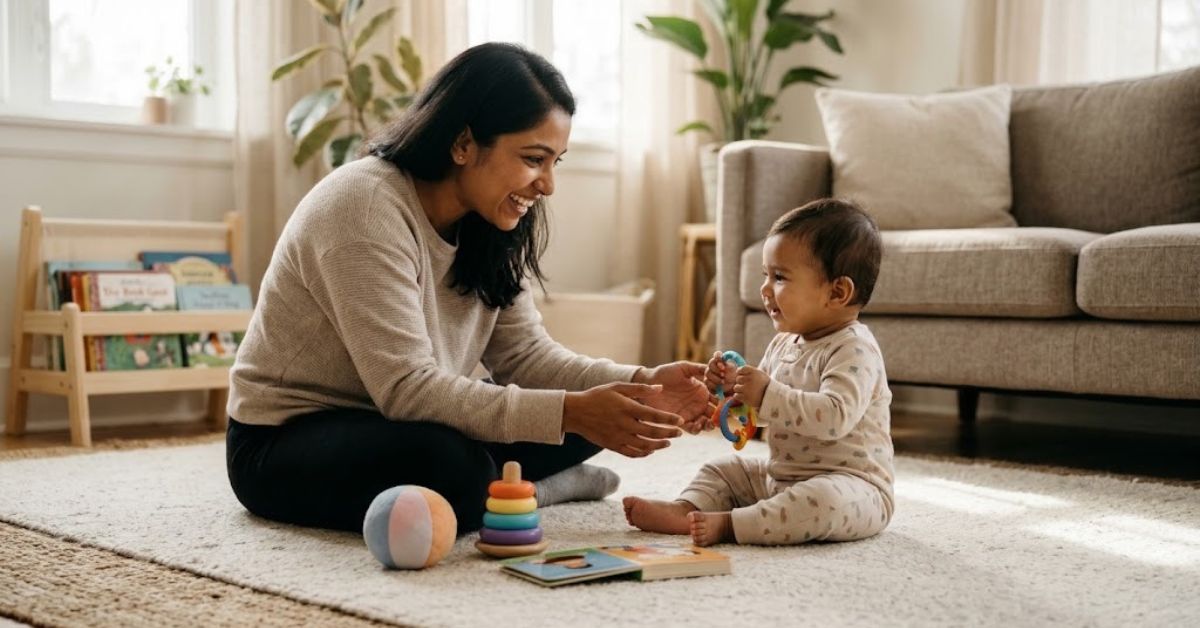
Watching your baby grow and develop is one of the most exciting parts of parenthood. From the first social smile to those wobbly first steps, baby milestones mark the incredible journey of physical, cognitive and social development that occurs during the first year of life. Understanding what to expect at each age helps you celebrate your baby’s achievements and recognize when additional support may be needed.
The Centers for Disease Control and Prevention (CDC) updated its developmental milestone guidelines in 2022 to reflect milestones that most children (at least 75 percent) reach by a specific age. This change was designed to help parents and pediatricians identify potential developmental delays earlier and connect children with appropriate services sooner.
It is important to remember that every baby develops at their own pace. Milestones are guidelines, not deadlines. Premature babies, for example, may reach milestones based on their adjusted age rather than their birth date. However, if you have concerns about your baby’s development, discussing them with your pediatrician is always the right step.
Baby Milestones by Age
| Age | Motor Skills | Language | Social |
| 1 Month | Lifts head briefly | Coos and grunts | Focuses on faces |
| 3 Months | Opens and shuts hands | Babbles and laughs | Smiles at people |
| 6 Months | Sits with support | Responds to name | Recognizes familiar faces |
| 9 Months | Crawls and pulls up | Says mama/dada | Shows stranger anxiety |
| 12 Months | Stands and cruises | Says 1-3 words | Waves bye-bye |
Understanding Developmental Milestones
Developmental milestones fall into four main categories: gross motor skills (large body movements like rolling, sitting and walking), fine motor skills (small movements like grasping and pinching), language and communication (babbling, gesturing and first words) and social-emotional development (smiling, bonding and responding to others).
Pediatricians assess these milestones during well-child visits using standardized screening tools such as the Ages and Stages Questionnaire (ASQ) and the Modified Checklist for Autism in Toddlers (M-CHAT). These screenings help identify children who may benefit from early intervention services — and research consistently shows that early intervention leads to better developmental outcomes.
Milestones build on each other. Your baby needs to develop head control before they can sit independently. They need to sit before they can crawl. They need to stand before they can walk. Understanding this progression helps you support your baby’s development by providing age-appropriate activities and a safe environment for exploration.
Milestones at Birth to 1 Month
During the first month, your newborn is adjusting to life outside the womb. Most of their movements are reflexive and they spend most of their time sleeping, eating and being held.
Motor Development
Newborns exhibit several primitive reflexes, including the Moro (startle) reflex, rooting reflex (turning toward touch on the cheek) and grasp reflex (curling fingers around objects placed in the palm). They can briefly lift their head when placed on their tummy, though head control is still very limited.
Sensory and Communication
Newborns can see objects 8 to 12 inches from their face — approximately the distance to a parent’s face during feeding. They prefer high-contrast patterns and human faces. They turn toward familiar voices and are startled by loud sounds. Crying is their primary form of communication.
Social-Emotional
Bonding begins immediately. Skin-to-skin contact, responsive feeding and gentle handling help your newborn feel safe and begin forming secure attachments. Newborns recognize their parents’ voices and scents within the first days of life.
Milestones at 2 Months
At two months, your baby begins to show the first signs of social engagement and improving physical control.
Motor Development
Your baby can hold their head up briefly during tummy time and may begin to push up on their arms. Movements become smoother and more purposeful, though they are still largely uncoordinated. The grasp reflex remains strong.
Communication
Cooing begins — those soft vowel sounds (“ooh,” “ahh”) that are your baby’s first attempts at vocalization beyond crying. They begin to follow moving objects with their eyes and show more interest in faces and brightly colored items.
Social-Emotional
The social smile emerges around six to eight weeks. This is your baby’s first intentional smile in response to your face or voice — a major milestone that signals developing social awareness and emotional connection.
Milestones at 4 Months
By four months, your baby is becoming more interactive and physically capable. This is an engaging and rewarding stage for parents.
Motor Development
Your baby can hold their head steady without support and push up to their elbows during tummy time. They may begin to roll from tummy to back. They bring their hands to their mouth and reach for toys and their hand-eye coordination is improving noticeably.
Communication
Babbling begins to include consonant sounds. Your baby laughs, squeals and makes sounds to get your attention. They respond to your voice by turning their head and may begin to imitate some sounds and facial expressions.
Social-Emotional
Your baby smiles spontaneously, especially at people. They enjoy playing with others and may cry when playing stops. They are increasingly interested in their own reflection and can express basic emotions like happiness and frustration.
Milestones at 6 Months
Six months marks a major turning point in your baby’s development. Physical abilities, social engagement and cognitive curiosity all accelerate during this period.
Motor Development
Most babies can roll in both directions by six months and are beginning to sit with support or briefly without it. They transfer objects between hands, reach for things with both arms and put everything in their mouths as part of sensory exploration.
Communication
Babbling becomes more complex, with strings of consonant-vowel combinations like “ba-ba” and “da-da” (though not yet with meaning). Your baby responds to their name and recognizes familiar words like “mama,” “dada,” and “bye-bye.”
Social-Emotional
Your baby knows familiar faces and may show wariness around strangers. They enjoy interactive games like peek-a-boo and love looking at themselves in a mirror. They express a wider range of emotions and are developing distinct preferences for certain people, toys and activities.
Feeding Milestone
Around six months, most babies are ready to begin solid foods. Signs of readiness include sitting with support, showing interest in what you are eating and the ability to move food from a spoon into their mouth. Consult your pediatrician about starting solids and introducing potential allergens.
Milestones at 9 Months
At nine months, your baby is on the move and increasingly independent. Their personality is becoming more apparent and they are actively exploring their world.
Motor Development
Many babies crawl by nine months, though some scoot, roll or find other creative ways to get around. They can pull themselves to standing while holding onto furniture, sit without support for extended periods and pick up small objects using a pincer grasp (thumb and forefinger).
Communication
Your baby understands simple words and phrases like “no” and “where’s the ball?” They may point at objects, wave bye-bye and use gestures to communicate wants. Babbling is more varied and may begin to sound like conversation, with changes in tone and rhythm.
Social-Emotional
Stranger anxiety and separation anxiety are common at this age. Your baby may cling to you in unfamiliar settings or cry when you leave the room. This is a normal sign of healthy attachment. They have clear favorite toys and people and may show fear in certain situations.
Milestones at 12 Months
Your baby’s first birthday marks an enormous amount of developmental progress. From a helpless newborn to a standing, communicating, personality-filled one-year-old, the transformation is remarkable.
Motor Development
By 12 months, many babies are pulling themselves up to stand, cruising along furniture and some are taking their first independent steps. They can bang objects together, put items into and take them out of containers and may begin to stack blocks.
Communication
Most one-year-olds say one to three recognizable words (“mama,” “dada,” “ball”). They understand many more words than they can say, follow simple instructions like “give me the cup,” and use gestures such as pointing and shaking their head to communicate.
Social-Emotional
One-year-olds are social and interactive. They enjoy imitating adults, playing simple games and showing affection by hugging and kissing. They may test boundaries, have brief tantrums when frustrated and are beginning to assert preferences and independence.
Cognitive
Object permanence is well-developed — your baby knows that things still exist even when hidden. They explore objects by shaking, throwing and banging. They begin to use objects correctly (drinking from a cup, holding a phone to their ear) and show growing problem-solving skills.
When to Talk to Your Pediatrician About Developmental Concerns
While every baby develops at their own pace, certain signs warrant a conversation with your pediatrician. The CDC’s “Learn the Signs. Act Early” program encourages parents to monitor development and discuss concerns promptly.
Contact your pediatrician if your baby does not seem to respond to loud sounds, does not follow moving objects with their eyes by two to three months, does not smile at people by three months, does not bring objects to their mouth by four months, does not babble by seven months, does not sit without support by nine months or does not walk by 18 months.
Other potential concerns include loss of previously acquired skills (regression), lack of eye contact, not responding to their name by 12 months, not pointing at objects by 12 months or showing very limited interest in interacting with others.
Early identification and intervention make a significant difference. If your pediatrician identifies a potential concern, they may recommend additional screening, refer you to a developmental specialist or connect you with early intervention services available through the Illinois Early Intervention program.
How to Support Your Baby’s Development
Tummy Time
Daily tummy time strengthens neck, shoulder and arm muscles that are essential for rolling, crawling and eventually walking. Start with brief sessions (three to five minutes) several times a day from the first week of life, gradually increasing duration as your baby gets stronger and more comfortable.
Talk, Read and Sing
Language exposure is critical for brain development. Talk to your baby throughout the day, narrating your activities. Read board books together daily. Sing songs and nursery rhymes. Research shows that the quantity and quality of language a child hears in the first years of life significantly impacts language development and later academic success.
Responsive Interaction
Respond to your baby’s coos, babbles and cries. This back-and-forth interaction — sometimes called “serve and return” — builds neural connections and teaches your baby that communication has purpose and value. Make eye contact, imitate their sounds and follow their lead during play.
Safe Exploration
Create a safe environment that encourages exploration. Childproof your home as your baby becomes mobile. Provide age-appropriate toys that encourage reaching, grasping, stacking and problem-solving. Let your baby explore different textures, sounds and objects under your supervision.
Concerned about your baby’s development?
Schedule a professional developmental screening at Zalam Pediatrics to ensure your little one is on the right track.
Call (708) 599-8000Key Takeaways
✔ Every baby develops at their own pace — milestone charts show averages
✔ Tummy time starting from day one builds core strength for crawling
✔ Talk and read to your baby daily to support language development
✔ Contact your pediatrician if you notice delays across multiple areas
✔ Well-child visits track milestones and catch concerns early
✔ Early intervention services make a significant difference in outcomes
Ready to choose your baby’s pediatrician?
Visit Zalam Pediatrics Center at 9830 S. Ridgeland Ave., Suite 2, Chicago Ridge, IL 60415.
📞 Call (708) 599-8000 to Contact UsFrequently Asked Questions
What are the most important baby milestones by month?
Key milestones include the social smile at two months, rolling over at four months, sitting independently at six months, crawling at nine months and first steps around 12 months. Language milestones progress from cooing to babbling to first words. Your pediatrician monitors all areas of development during well-child visits.
When should my baby start crawling?
Most babies begin crawling between seven and 10 months, though some babies skip crawling entirely and go directly to pulling up and walking. The method of movement matters less than the fact that your baby is actively exploring their environment. If your baby is not mobile by 12 months, discuss this with your pediatrician.
What are signs of developmental delay in babies?
Potential signs include not meeting expected milestones for their age, losing skills they previously had, limited eye contact, not responding to their name, not babbling by seven months and not showing interest in interacting with others. If you notice any of these signs, talk to your pediatrician promptly.
When do babies say their first words?
Most babies say their first meaningful words between 10 and 14 months. Common first words include “mama,” “dada,” “ball,” and “no.” By 18 months, most toddlers can say at least several words. If your child is not using any words by 15 months, discuss this with your pediatrician.
How can I help my baby reach milestones?
Provide daily tummy time, read and talk to your baby regularly, respond to their coos and babbles, offer age-appropriate toys and create a safe environment for exploration. Attend all recommended well-child visits so your pediatrician can monitor development and provide guidance.
When should I talk to a pediatrician about milestones?
Talk to your pediatrician whenever you have concerns. Specific red flags include not smiling by three months, not babbling by seven months, not sitting by nine months, loss of previously acquired skills at any age and limited social engagement. Early assessment leads to earlier support and better outcomes.
Conclusion
Your baby’s first year is a time of extraordinary growth and development. Understanding milestones by month helps you appreciate each achievement, provide supportive activities and identify when a conversation with your pediatrician is warranted. Remember that milestones are guidelines — not rigid deadlines — and that every child’s developmental journey is unique.
Regular well-child visits are the best way to monitor your baby’s development and address any concerns early. Your pediatrician is your partner in supporting your child’s growth and no question is too small to ask.