
Introduction
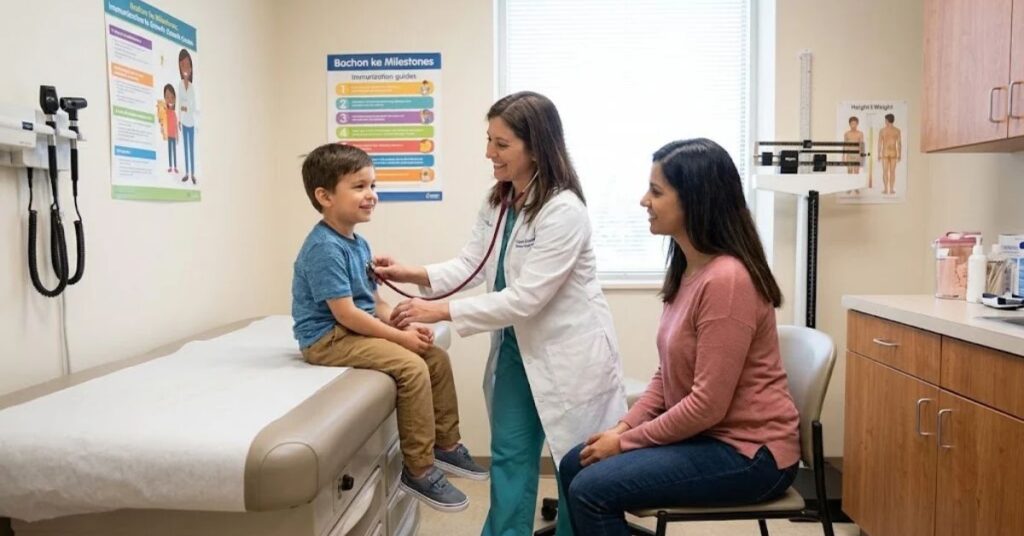
If you are wondering what is a well child visit, it is a routine pediatric appointment focused on monitoring your child’s health, growth and development when they are not sick. Sometimes called a wellness checkup, well-baby visit or pediatric wellness exam, these appointments are a fundamental part of preventive healthcare for children from birth through adolescence.
Unlike sick visits — which address specific symptoms or illnesses — well-child visits are proactive. They are designed to track your child’s growth trajectory, assess developmental milestones, administer vaccinations, screen for potential health issues and provide parents with guidance on nutrition, safety and age-appropriate parenting topics.
This guide explains what happens during a well-child visit, why these appointments matter even when your child seems perfectly healthy, what to bring, what questions to ask and how these visits support your child’s long-term health and wellbeing.
Need to Schedule a Pediatric Visit?
Whether your child needs a well-child checkup, vaccinations, a sick visit, or a school or sports physical, our caring team at Zalam Pediatrics Center in Chicago Ridge is here to help.
What Happens at a Well-Child Visit
| Category | What the Pediatrician Does | Parent Action |
| Growth | Measures height, weight, head circumference | Track growth chart trends |
| Development | Screens milestones with standardized tools | Share observations from home |
| Immunizations | Administers age-appropriate vaccines | Bring immunization records |
| Nutrition | Assesses diet and feeding habits | Discuss any feeding concerns |
| Safety | Reviews car seats, sleep, childproofing | Ask about age-specific hazards |
| Behavior | Screens for anxiety, ADHD, depression | Report behavioral changes |
What Is the Purpose of a Well-Child Visit?
Well-child visits serve multiple important purposes, all centered on keeping your child healthy and catching potential problems early when they are most treatable.
Monitoring Growth
At every well-child visit, your pediatrician measures your child’s height, weight and (for children under two) head circumference. These measurements are plotted on standardized growth charts that track your child’s growth pattern over time. Consistent growth along a predictable curve is reassuring. Sudden changes — a sharp decline in weight percentile or a plateau in height — can signal nutritional issues, hormonal conditions or other health concerns that warrant investigation.
Tracking Development
Developmental milestones — the physical, cognitive, language and social-emotional skills children typically acquire at certain ages — are a central focus of well-child visits. Your pediatrician uses standardized screening tools and direct observation to assess whether your child is on track and to identify children who may benefit from early intervention services.
Preventing Disease Through Vaccination
Well-child visits are the primary setting for administering childhood vaccinations according to the CDC-recommended immunization schedule. Staying on schedule protects your child against serious, potentially life-threatening diseases and is required for school enrollment in Illinois.
Screening for Hidden Health Issues
Many childhood health conditions are asymptomatic in their early stages. Well-child visits include screening for conditions such as anemia, lead exposure, vision and hearing problems, high blood pressure, developmental delays, autism spectrum disorder, depression and other issues that parents might not notice at home.
Building the Pediatric Relationship
Regular well-child visits build a trusting relationship between your family and your pediatrician. This relationship is invaluable when your child is sick, when you have a pressing concern or when you need guidance on a difficult parenting decision. A doctor who knows your child’s baseline health, temperament and family context provides better, more personalized care.
What Happens During a Well-Child Visit?
A typical well-child visit includes several components. The specific focus varies by age but the general structure remains consistent throughout childhood.
Health History Update
The visit begins with a review of your child’s health since the last appointment. The nurse or doctor asks about any illnesses, injuries, medications, behavioral changes or family health updates. They also review any concerns you have brought to discuss.
Physical Examination
A comprehensive, age-appropriate physical examination evaluates your child’s major body systems. The doctor examines the head, eyes, ears, nose, throat, heart, lungs, abdomen, skin, spine and extremities. For adolescents, the exam may include assessment of pubertal development.
Developmental and Behavioral Assessment
Your pediatrician evaluates age-appropriate milestones and may administer standardized questionnaires (such as the ASQ for general development or the M-CHAT for autism) at specific ages. Behavioral health screening for depression, anxiety and substance use is incorporated during adolescent visits.
Immunizations
Based on your child’s age and vaccination history, the pediatrician administers any vaccines that are due according to the recommended schedule. The nurse reviews each vaccine with you, explains potential side effects and provides after-care instructions.
Anticipatory Guidance and Education
Your pediatrician provides age-specific guidance on topics such as nutrition, sleep habits, physical activity, safety measures, discipline approaches, screen time, social development and puberty. This forward-looking advice helps you prepare for the next stage of your child’s development.
Questions and Discussion
The well-child visit includes time for you to ask questions about any aspect of your child’s health, behavior or development. No question is too small or silly — pediatricians expect and welcome parent questions during these appointments.
Schedule your child’s well-child visit today!
Why Are Well-Child Visits Important When My Child Is Healthy?
Key Takeaways
✔ Well-child visits are preventive — they happen even when your child is healthy
✔ Each visit includes growth measurement and developmental screening
✔ Immunizations are administered according to the CDC schedule
✔ Insurance covers well-child visits without a copay under the ACA
✔ Prepare a list of questions about sleep, nutrition, and behavior
✔ Well-child visits are required by most schools and daycare programs
This is one of the most common questions parents ask and the answer gets to the heart of preventive medicine. The purpose of well-child visits is to keep healthy children healthy and to catch potential problems before they become serious.
Many childhood conditions develop gradually and without obvious symptoms. A child with a mild hearing loss may compensate well enough that parents do not notice — but the loss may be affecting language development and school performance. A child with slowly declining growth velocity may look healthy but be showing early signs of a treatable condition. A child with normal-appearing behavior may screen positive for a developmental concern that, caught early, responds well to intervention.
Well-child visits are where these subtle issues are identified. The systematic screening, measurement and assessment that occur at each visit are designed to catch exactly these types of concerns — the ones that are invisible until a trained professional looks for them.
Additionally, well-child visits ensure that your child receives all recommended vaccinations on schedule, which protects them and the broader community from vaccine-preventable diseases.
How to Prepare for a Well-Child Visit
A little preparation helps you make the most of your child’s well-child visit. Here is what to do before the appointment.
Write down any questions or concerns you want to discuss. Parents often forget important questions during the appointment, so having a written list ensures nothing is missed.
Note any changes in your child’s behavior, eating habits, sleep patterns or health since the last visit. These observations provide valuable information for your pediatrician.
Bring your child’s immunization records if the visit is with a new provider or if records need updating. Bring school forms, camp forms or sports physical forms that need to be completed during the visit.
Bring a list of any medications, supplements or vitamins your child currently takes, including dosages.
For younger children, bring a comfort item (a favorite toy or blanket) to help them feel secure during the exam. For older children and teens, consider whether they would benefit from having part of the visit be a private conversation with the doctor — this is normal and encouraged during adolescent visits.
Questions to Ask Your Pediatrician at a Well-Child Visit
Well-child visits are your dedicated time with your child’s doctor. Here are some valuable questions to consider asking.
Is my child growing and developing as expected for their age? Are there any areas where they could use additional support? Is my child up to date on vaccinations and what vaccines are due next? What should I expect developmentally between now and the next visit? Are there any nutritional changes I should make? How much screen time is appropriate for my child’s age? What safety measures should I focus on at this stage? Are there any concerns I should be monitoring?
Well-Child Visits and Insurance Coverage
Under the Affordable Care Act, well-child visits and recommended preventive services are covered by most health insurance plans at no out-of-pocket cost to the patient. This includes private insurance, Medicaid and the Children’s Health Insurance Program (CHIP).
Covered preventive services typically include the well-child exam itself, recommended immunizations, developmental and behavioral screenings, vision and hearing screenings, blood pressure screening, body mass index (BMI) measurements and standard laboratory tests such as hemoglobin and lead screening.
If additional services are needed beyond the preventive visit — such as treatment for a condition identified during the exam — standard copays or coinsurance may apply. Contact your insurance provider if you have questions about coverage.
What If We Have Missed Well-Child Visits?
If your child has missed well-child visits, it is never too late to get back on track. Schedule an appointment with your pediatrician as soon as possible. The doctor will assess your child’s current health, catch up on missed vaccinations, perform any overdue screenings and create a plan to resume the recommended schedule.
Children who have missed visits may need multiple appointments in a relatively short period to catch up on vaccinations and screenings. Your pediatrician can create a catch-up plan that is safe and efficient.
There is no judgment from your pediatrician for missed appointments. The focus is always on moving forward and ensuring your child receives the care they need going forward.
Ready to choose your baby’s pediatrician?
Visit Zalam Pediatrics Center at 9830 S. Ridgeland Ave., Suite 2, Chicago Ridge, IL 60415.
📞 Call (708) 599-8000 to Contact UsFrequently Asked Questions
What is a well-child visit?
A well-child visit is a routine pediatric appointment focused on monitoring your child’s health, growth and development when they are not sick. It includes a physical exam, developmental assessment, vaccinations, health screenings and guidance on age-appropriate health topics.
How often do children need well-child visits?
The AAP recommends seven well-child visits in the first year, visits at 15, 18, 24 and 30 months and annual visits from age 3 through 21. This schedule ensures comprehensive health monitoring throughout childhood and adolescence.
Are well-child visits the same as annual physicals?
Yes, for children ages 3 and older. The annual well-child visit serves as the child’s yearly physical. For infants and toddlers, well-child visits occur more frequently than annually due to rapid growth and developmental changes.
Do I have to pay for well-child visits?
Most insurance plans, including Medicaid and CHIP, cover well-child visits at no out-of-pocket cost under the Affordable Care Act. Verify coverage with your insurance provider before the appointment.
What happens if my child is sick at the time of a well-child visit?
If your child has a minor illness (such as a cold), the well-child visit can typically proceed as scheduled. If your child has a fever or a contagious illness, call your pediatrician’s office to determine whether the appointment should be rescheduled or whether the sick visit can be combined with the well-child visit.
Conclusion
Well-child visits are the backbone of preventive pediatric care. They provide a structured, evidence-based approach to monitoring your child’s health, catching problems early, keeping vaccinations current and supporting healthy development at every age.
Even when your child is healthy, these visits serve a critical purpose — and the relationship you build with your pediatrician during routine visits makes every future interaction more effective and more personal.